What is a Certified IPC Specialist and why is it important?
Date: 27-May-2026
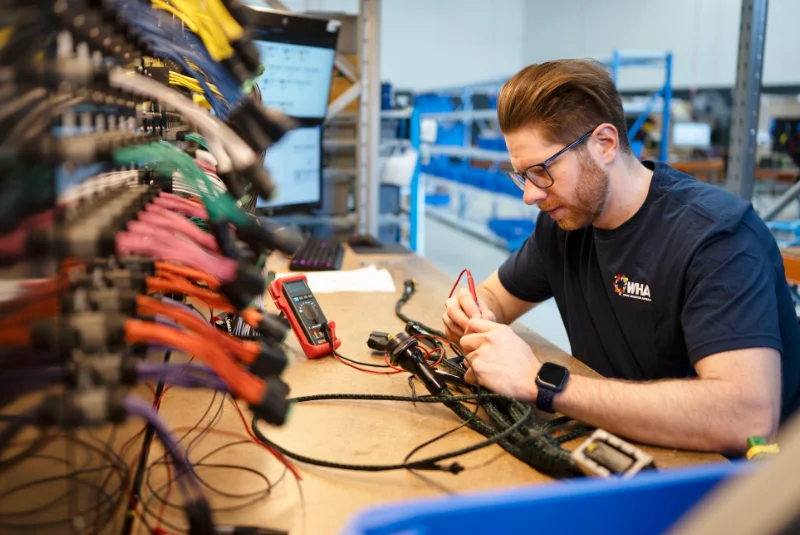
When you’re sourcing wiring harnesses or cable assemblies, price and lead time are usually front of mind. But for procurement managers, engineers, technical advisers and draftspersons, there’s another factor that has a major impact on reliability, consistency and long-term performance: manufacturing standards.
The IPC Standards are the global standards for the electronics manufacturing and assembly industry. The Standards play a significant role in how quality-focused manufacturers build, inspect and verify assemblies. A Certified IPC Specialist is someone who has completed formal training and assessment against specific IPC standards. Certification involves both theoretical knowledge and practical assessment and requires periodic renewal to stay current with evolving industry expectations.
For businesses looking for a dependable manufacturing partner, IPC Certification signals a manufacturer working to internationally recognised workmanship standards. The standards cover workmanship, inspection criteria, materials, assembly methods and quality acceptance.
What is IPC?
Global Electronics Association, formerly known as IPC, is a global industry association that develops standards for electronics manufacturing and assembly. These standards are used across industries including mining and resources, defense, transport, aerospace, medical devices and commercial electronics.
In practical terms, IPC standards answer questions like:
- What does an acceptable crimp look like?
- How are solder joints inspected?
- What level of insulation clearance is required?
- What defects are critical versus cosmetic?
Rather than relying on “the way we’ve always done it”, IPC creates a shared technical language between manufacturers, customers and inspectors.
What is a Certified IPC Specialist?
A Certified IPC Specialist (CIS) has completed formal training and assessment against specific IPC standards. Depending on the certification stream, training covers cable and wire harness assemblies, soldering and rework, electronics assembly workmanship and quality acceptance criteria.
IPC certification requires periodic renewal to keep pace with evolving standards. For customers, this means the people manufacturing and inspecting your assemblies are working from recognised industry criteria, not guesswork.
Why IPC Certification matters in wiring harness manufacturing
1. Consistency across production
One of the biggest challenges in wiring harness manufacturing is maintaining consistency across batches, operators and production runs. A harness that looks visually acceptable on the bench often hides workmanship issues that only surface in harsh operating environments — think vibration, moisture, heat or constant movement.
IPC-trained personnel work to defined acceptance criteria, which means repeatable assembly methods, consistent inspection standards and better documentation across every build. For your procurement team, that translates to fewer field failures and greater confidence in repeat orders.
2. Improved quality assurance
Quality control isn’t just a final check at the end of production. A strong manufacturing process includes quality checkpoints throughout, from material selection through to termination, testing and final inspection.
IPC-certified staff are trained to identify issues such as incorrect crimps, insulation damage, poor solder wetting, incorrect strain relief and non-conforming workmanship before assemblies leave the workshop.
3. Better communication with your engineering and technical teams
For technical advisers, engineers and draftspersons, working with a manufacturer that speaks IPC makes a real difference. It creates a clearer framework for discussing drawings, acceptance criteria, design intent and inspection requirements — reducing ambiguity and the rework that follows.
On custom harness projects especially, that shared understanding reduces delays and keeps your project on track.
4. Greater reliability in demanding conditions
Australian industrial environments don’t take it easy on electrical assemblies. Mining equipment, transport systems and outdoor infrastructure expose wiring to conditions that accelerate wear and failure.
IPC certification supports disciplined manufacturing practices that contribute to long-term reliability. Attention to crimp geometry, insulation support, strain relief, controlled soldering and cable routing makes a real difference in the field.
5. Commitment to continuous improvement
Manufacturers who invest in IPC training are investing in process maturity. It takes time, commitment and ongoing development — reflecting a focus on improving workmanship standards, not just meeting production output.
For you as a customer, that often means a supplier with stronger process control, better documentation and a genuine interest in a long-term relationship.
IPC Certification is part of the bigger picture
IPC certification is one component of a broader quality system. A capable wiring harness manufacturer also needs strengths in design review, material sourcing, production planning, testing, traceability and customer communication. IPC-certified personnel add an additional layer of technical confidence that recognised workmanship standards are being applied consistently throughout manufacturing and inspection.
WHA and IPC/WHMA-A-620
At Wiring Harnesses Australia, we manufacture to IPC/WHMA-A-620, the global benchmark standard for cable and wire harness assemblies. This standard sets the requirements and acceptance criteria for the manufacture of cable and wire harness assemblies and is the recognised benchmark across industries where quality and reliability are non-negotiable.
Having Certified IPC Specialists in our Drafting, Production and Training teams means that those standards aren’t just a reference document, they’re built into how we work every day, from the workshop floor through to final inspection and testing.
Choosing the right manufacturing partner
When evaluating a wiring harness supplier, asking about IPC certification gives useful insight into how that business approaches quality and workmanship. Questions worth asking include:
- Are your staff IPC certified?
- Which IPC standards do you work to?
- How is workmanship inspected throughout production?
- What testing processes are in place?
- How do you manage quality consistency?
The answers tell you a great deal about the maturity of that supplier’s processes.
Final thoughts
In today’s manufacturing environment, reliability is rarely accidental. Whether you’re sourcing a simple cable assembly or a complex multi-branch wiring harness, the standards behind the manufacturing process matter just as much as the finished product.
IPC/WHMA-A-620 establishes a structured, internationally recognised approach to workmanship, inspection and quality assurance — so you have greater confidence that assemblies are built with consistency and care, especially when performance in the field is non-negotiable.
Ready to work with a manufacturer you can trust?

Aaron Bradshaw
Company Director
 Certified IPC Specialist


Corey Clewes
Electrical Draftsperson
Certified IPC Specialist
Wiring Harnesses Australia follows IPC/WHMA-A-620 standards in manufacturing wiring harnesses for mining, heavy industrial and marine right here in Brisbane. Talk to our team about your next project.
More Reading
-
03-Jun-2025
CAT R2900G Cab Rebuild
-
23-Dec-2024
Sandvik Solo 7-15F Drill Rig Cab Rewire
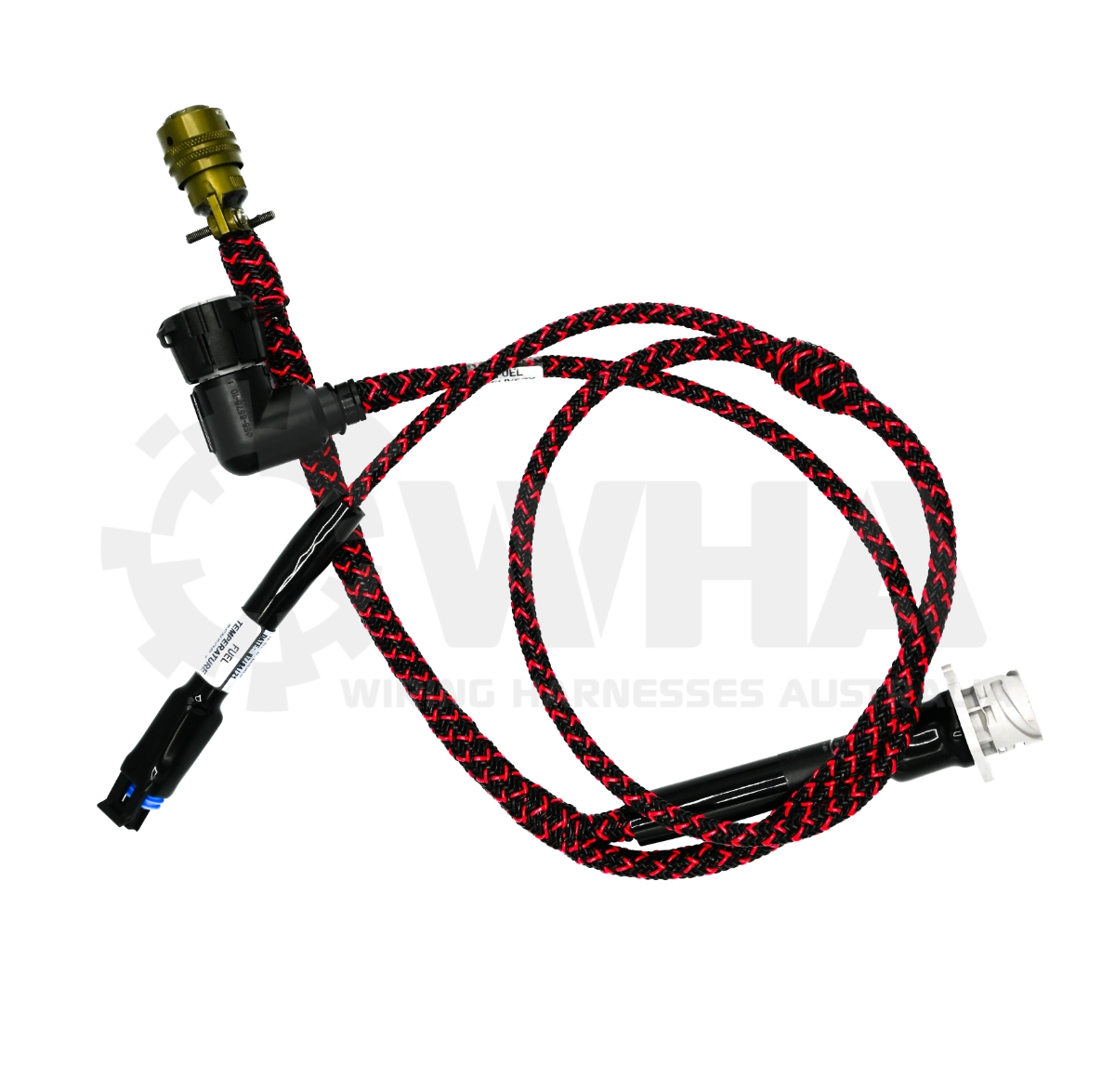

Get top quality wiring harnesses
without the hassle
Start with a quick, obligation-free quote.
PRODUCTS & ORDERING
- Wiring Harnesses
- Wire Processing
- Field Kits
- Custom Manufacturing
- FAQ's
- Start with a Quote
- How to Order
PAYMENTS



QUICK LINKS
FACTORY & HEAD OFFICE
-
109 Buchanan Road
Banyo QLD 4014, Australia
- ALL CALLS: 1300 001 942
- Mon-Fri 8am - 4pm